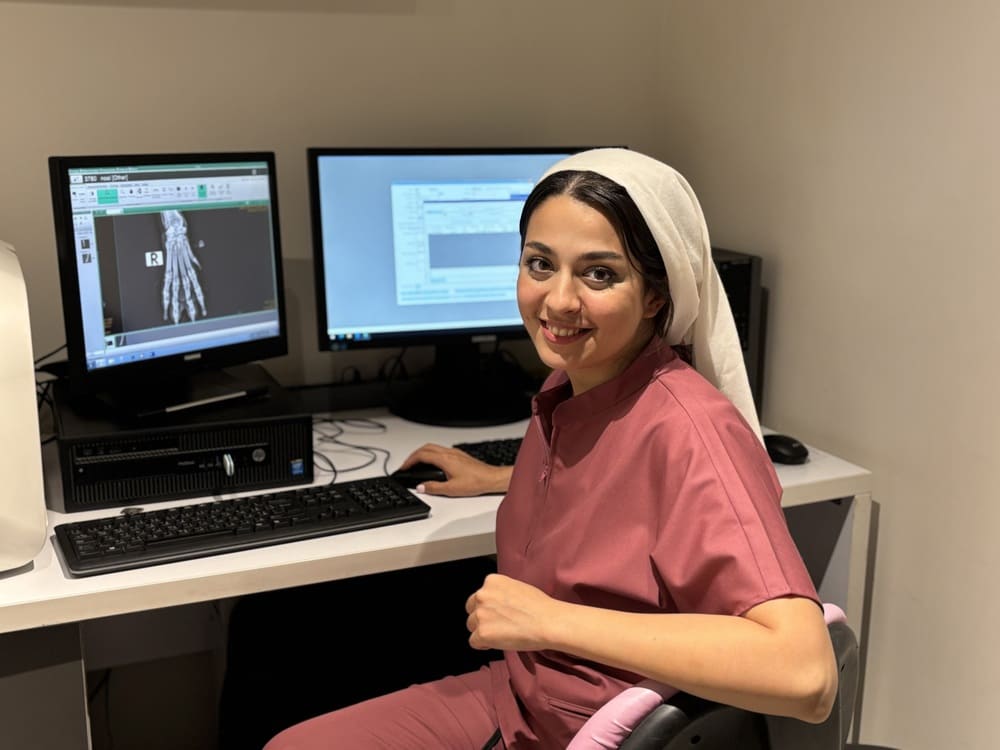
Veterinary Teleradiology: What It Is and Why It Matters for Clinics
Introduction
Advances in digital technology and the internet have transformed many aspects of human and veterinary medicine.
One of the most significant developments is veterinary teleradiology, the remote interpretation of diagnostic images such as radiographs, ultrasounds, or echocardiograms.
This service allows clinics and general practitioners to access the expertise of a veterinary radiologist without the need for on-site presence.
Many veterinary clinics, especially in smaller towns or rural areas, do not have permanent access to a board-certified radiologist.
Hiring a full-time specialist is often not financially feasible.
Online veterinary radiology consultation (teleradiology) solves this gap by enabling veterinarians to send images digitally and receive expert reports quickly, often within hours.
What Is Veterinary Teleradiology?
Veterinary teleradiology refers to the electronic transmission of diagnostic images — including X-rays, ultrasound, and
veterinary echocardiography —
to a radiologist at a remote location. The specialist then analyzes the images and provides a detailed written interpretation that assists the attending veterinarian in making clinical decisions.
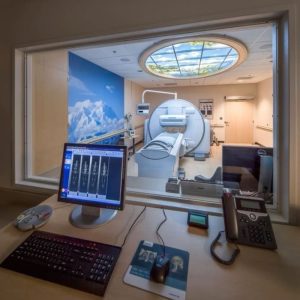
How Does It Work?
- The veterinary clinic acquires diagnostic images (radiographs, ultrasound, or echocardiography).
- The images are transmitted securely to a remote veterinary radiologist via an online platform or encrypted email.
- The radiologist interprets the images, often with advanced viewing software.
- A written report and recommendations are sent back to the clinic, sometimes accompanied by real-time consultation.
Types of Images Suitable for Teleradiology
- Thoracic and abdominal radiographs
- Orthopedic and dental radiographs
- Abdominal ultrasound scans
- Cardiac echocardiography videos
- Advanced imaging such as CT and MRI (where available)
Benefits of Teleradiology for Veterinary Clinics
The growing adoption of veterinary teleradiology is driven by the wide range of benefits it provides to clinics, practitioners, and patients.
Below are some of the most important advantages.
1. Access to Specialists Anytime
Not every clinic can afford to have an in-house radiologist, especially in developing regions.
Teleradiology bridges this gap by connecting veterinarians to specialists regardless of location.
Clinics can send cases day or night and receive expert input without delay.

2. Reduced Costs and Increased Efficiency
Employing a radiologist full-time is costly. With online veterinary radiology services,
clinics pay only when they need an interpretation. This “pay-per-case” model reduces overhead and allows smaller practices to offer advanced diagnostics without unsustainable costs.
3. Faster Diagnosis
Time is critical in many emergencies, such as suspected intestinal obstruction or acute heart disease.
With teleradiology, images can be interpreted within hours, compared to days in traditional workflows.
This speed can be lifesaving and improves client satisfaction.
4. Expert Input for Complex Cases
Some cases are highly complex and benefit from multiple expert opinions.
Teleradiology allows clinics to share images with more than one radiologist, ensuring higher diagnostic accuracy and more tailored treatment plans.
This collaborative model mirrors what is seen in human medicine.
Challenges for Clinics Without Teleradiology
Before the rise of veterinary teleradiology, clinics faced significant challenges:
- Delays in diagnosis due to lack of immediate specialist access
- High costs of employing or contracting radiologists full-time
- Inability to handle complex or advanced cases locally
- Decreased client trust when diagnostics took too long
By adopting teleradiology, clinics can overcome these barriers and compete with larger referral hospitals.
Global Perspective on Veterinary Teleradiology
In many developed countries, teleradiology has become a routine part of veterinary practice.
Organizations such as the
American College of Veterinary Radiology (ACVR)
and the
American College of Veterinary Internal Medicine (ACVIM)
highlight its role in improving diagnostic accuracy and reducing costs.
Veterinary teleradiology platforms now operate worldwide, allowing clinics from Asia to Europe to share images with specialists across the globe.
This global connectivity reflects the growing demand for collaboration and the increasing role of telemedicine in veterinary healthcare.
In Part 2 of this article, we will discuss practical applications of teleradiology in Iran and worldwide,
the role of echocardiography and ultrasound in remote diagnostics, and introduce the services of Dr. Mina Jafarbiglou.
Applications of Veterinary Teleradiology in Iran
In Iran, many veterinary clinics, especially in smaller cities, lack direct access to board-certified radiologists.
Veterinary teleradiology bridges this gap by enabling practitioners to send radiographs, ultrasound images, or echocardiography recordings to specialists in Tehran or even abroad.
Reports can be received in just a few hours, elevating the diagnostic quality of local clinics to international standards.
This has been especially helpful for:
- Clinics in rural areas with no on-site specialists
- Hospitals that want second opinions for complex cases
- Veterinarians seeking advanced cardiology or abdominal consultations

Global Applications of Veterinary Teleradiology
Around the world, online veterinary radiology is now a standard part of modern veterinary practice.
Clinics in Europe, North America, and Asia frequently rely on remote radiologists to interpret images.
This model reduces costs while ensuring high diagnostic accuracy.
International organizations like the
American College of Veterinary Radiology (ACVR)
and
ACVIM
continue to highlight the importance of telemedicine and remote imaging interpretation in veterinary healthcare.

The Role of Echocardiography and Ultrasound in Teleradiology
While radiographs are the foundation of diagnostic imaging, echocardiography and abdominal ultrasound play an increasingly important role in veterinary teleradiology.
Many conditions, particularly heart disease and abdominal masses, cannot be accurately diagnosed without these modalities.
Cardiac Echocardiography
Heart diseases in cats and dogs are often silent until late stages.
Veterinary echocardiography provides critical information on chamber size, wall thickness, valve function, and blood flow.
Through teleradiology, video loops and still images can be shared with specialists, enabling accurate diagnosis and treatment recommendations.

Abdominal Ultrasound
Conditions like liver disease, kidney abnormalities, intestinal obstruction, or tumors are best visualized with ultrasound.
Remote consultation allows general practitioners to capture images and forward them to a radiologist for detailed interpretation.
This ensures high diagnostic confidence without requiring clients to travel long distances.

Challenges and Limitations
Despite its advantages, online veterinary radiology is not without challenges:
- Variable image quality due to outdated equipment
- Non-standard file formats leading to interpretation difficulties
- Slow or unstable internet connections in some regions
- Lack of awareness among some clinics about the benefits of teleradiology
Fortunately, these issues are improving as digital infrastructure advances and veterinarians become more familiar with telemedicine practices.
Conclusion
Veterinary teleradiology is transforming how clinics approach diagnostics.
By providing access to specialists anywhere and anytime, it reduces costs, improves diagnostic accuracy, and enhances patient care.
Whether for radiographs, ultrasound, or echocardiography, teleradiology ensures that even small clinics can offer advanced diagnostic services to their clients.
About Dr. Mina Jafarbiglou
About Dr. Mina Jafarbiglou
Dr. Mina Jafarbiglou, DVM,
Board-Certified Veterinary Radiologist (SRBIAU),
is a veterinary diagnostic imaging specialist with advanced expertise in small animal radiology, abdominal ultrasonography, and echocardiography.
She obtained her board certification in Veterinary Radiology from Islamic Azad University, Science and Research Branch (SRBIAU),
one of the leading academic institutions in veterinary medicine in the Middle East.
With a strong academic background and extensive clinical experience,
Dr. Jafarbiglou has established a reputation for high-quality diagnostic interpretation in both in-clinic and veterinary teleradiology services.
Her professional focus lies in early disease detection, advanced cardiology imaging, and providing second-opinion consultations for complex clinical cases.
She is actively involved in promoting the integration of telemedicine in veterinary practice,
collaborating with clinicians and referral hospitals to enhance diagnostic accuracy and patient outcomes.
Her work bridges clinical practice and academic research, aiming to bring international standards of imaging to veterinary medicine in Iran and beyond.
🔹 Availability in Veterinary Centers (Tehran)
- Saturday: 16:00 – 22:00 – Omid Veterinary Hospital (Yousef Abad)
- Sunday: 15:00 – 18:00 – Petoria Clinic (Pasian, Zafaraniyeh) | 18:00 – 22:00 – Nela Hospital (Jamaran)
- Monday & Wednesday: 16:00 – 22:00 – Persian Pet Hospital (Mollasadra)
- Tuesday & Thursday: 20:00 – 22:00 – Persian Pet Hospital (Mollasadra)
💡 Note: For abdominal ultrasound and other imaging services at these centers, no prior appointment is required; walk-in visits are accepted.
For more details on veterinary imaging and consultation, see:
Veterinary Radiology
and
Echocardiography for Animals.
Additional international resources include the
ACVR
and
ACVIM,
which provide guidelines and updates on veterinary teleradiology practices worldwide.



ثبت نظر جدید